
RELATED POSTS
CLKJ Launches EcoLux Collection: Sustainable Luxury Display Showcases for the Modern Retailer

CLKJ introduces the EcoLux Collection, a groundbreaking line of luxury retail display showcases crafted from FSC-certified wood, recycled aluminum, and low-VOC finishes. The collection combines premium aesthetics with environmental responsibility, responding to growing demand for sustainable retail design solutions.

CLKJ Completes Major Production Facility Upgrade with Smart Manufacturing Technology
CLKJ has completed a comprehensive upgrade of its manufacturing center, investing in automated CNC machining lines, robotic assembly stations, and a centralized smart production management system that increases output capacity by 40% while maintaining the precision craftsmanship that defines every CLKJ showcase.

CLKJ Showcases Next-Generation Retail Display Solutions at EuroShop 2026
CLKJ made a strong impression at EuroShop 2026 in Düsseldorf, unveiling its latest lineup of modular retail display showcases featuring integrated smart lighting, anti-reflective glass, and customizable modular configurations designed for luxury jewelry, watch, and perfume retailers worldwide.
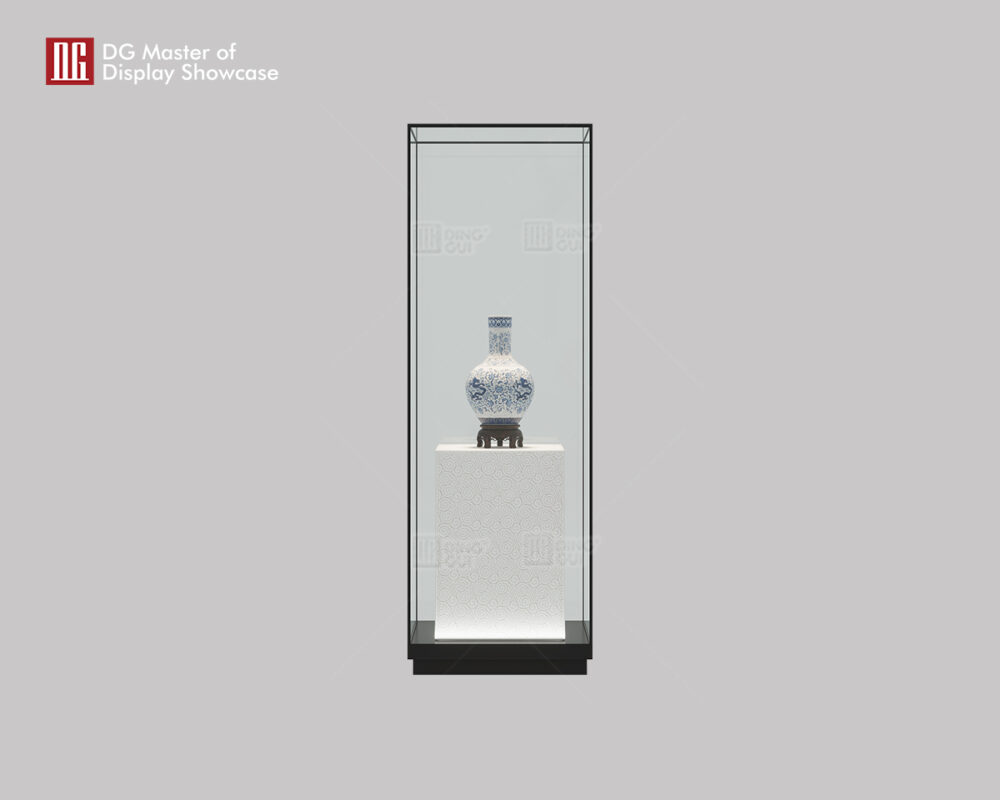
From Display Cabinets to Exhibition Experiences in Museum Design
Museum showcases can do more than protect artifacts. With the right layout, lighting, and narrative rhythm, they help exhibits tell stronger stories.
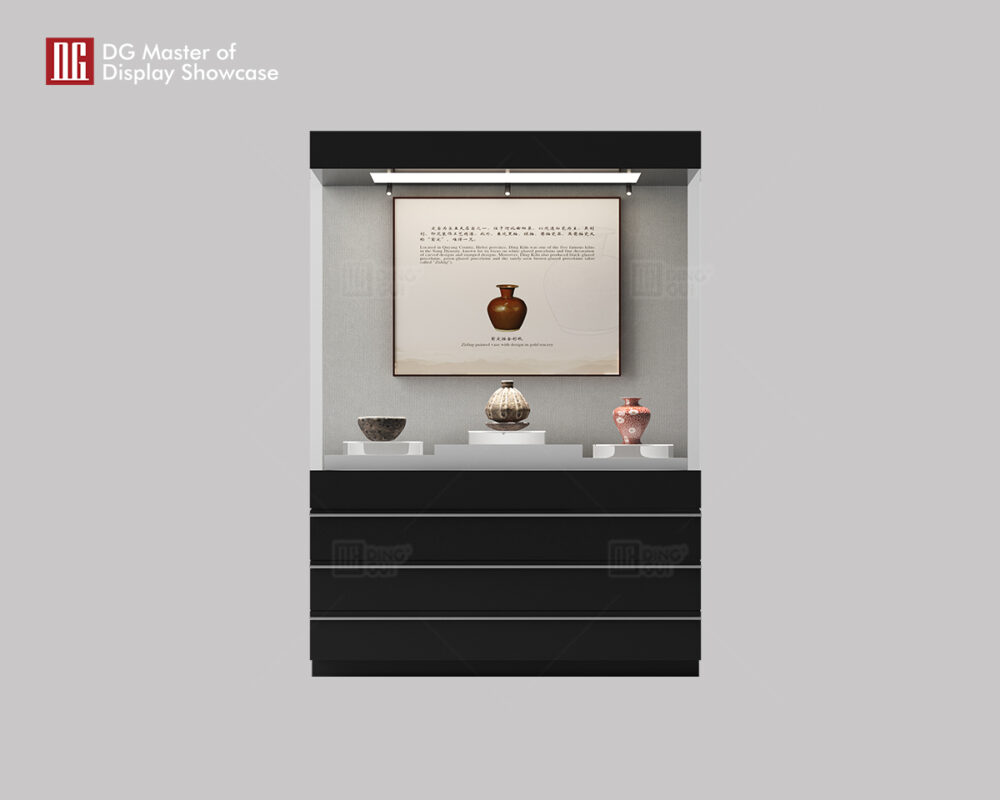
Why More Museums Choose UV-Protected Showcase Glass
UV-protected showcase glass helps reduce long-term light damage and supports safer museum display for sensitive cultural artifacts.
Anti-Reflective Glass in Museum Showcase Design: What It Improves
Anti-reflective glass helps museum visitors see artifacts more clearly while reducing visual barriers between the exhibit and the audience.
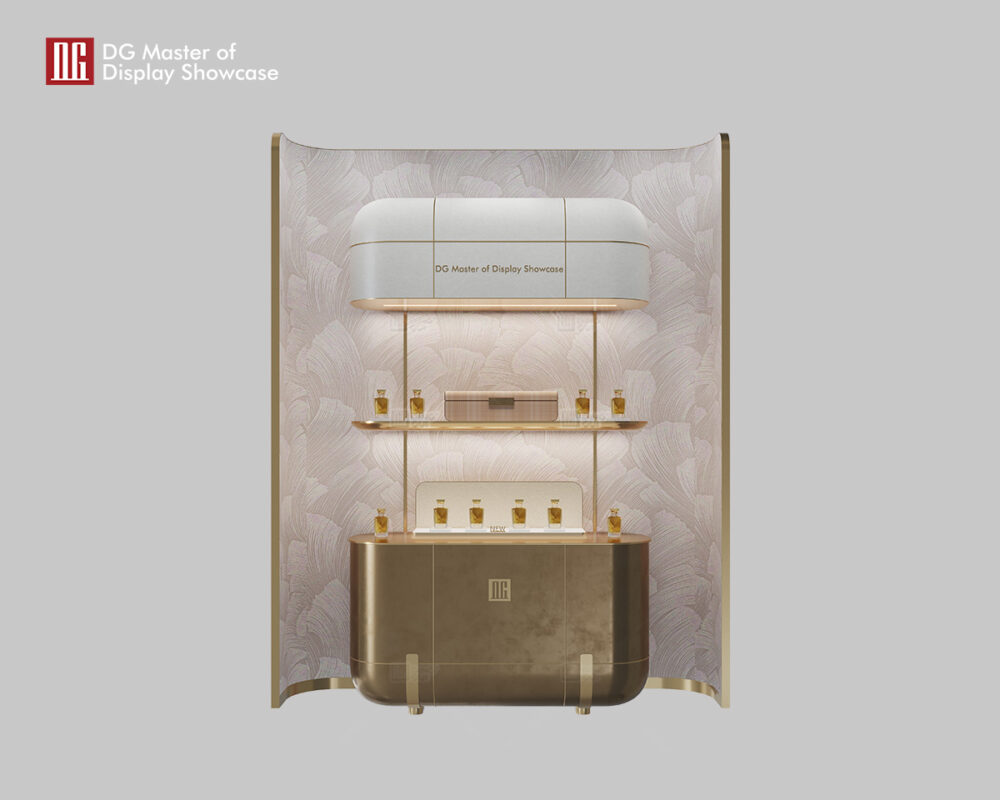
Alcohol-Resistant Perfume Showcases for Long-Term Retail Performance
Perfume showcases must resist alcohol, fragrance residue, cleaning chemicals, and daily handling. Material selection is essential for long-term store performance.
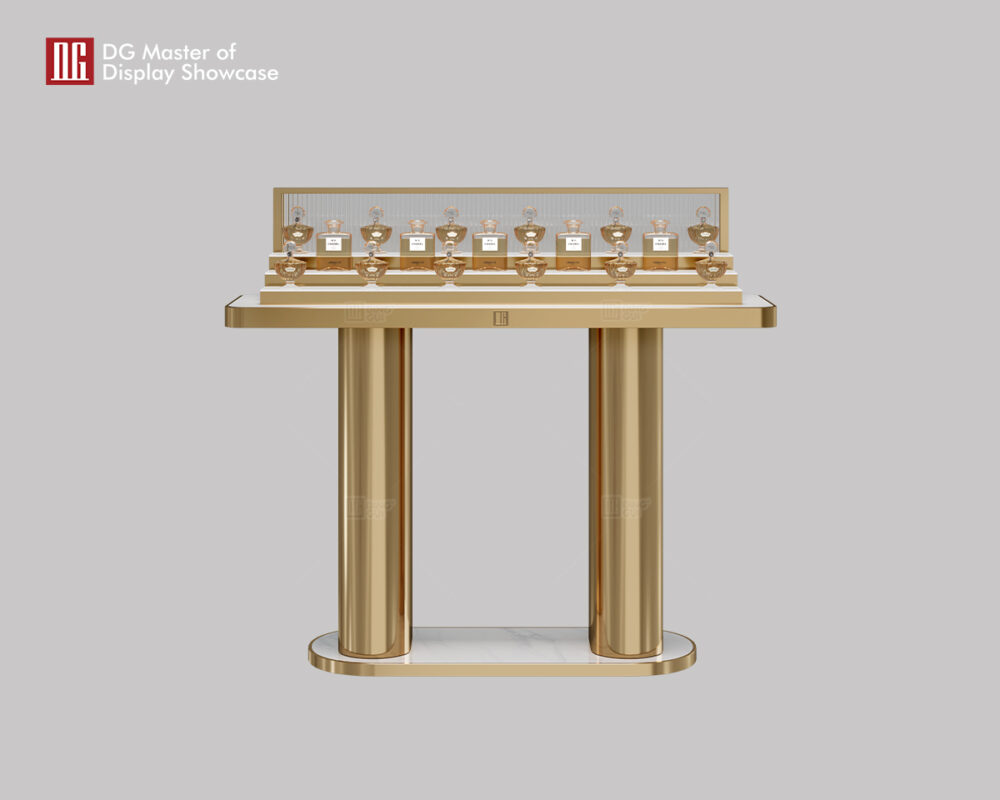
Perfume Showroom Traffic Flow: Designing a Smoother Fragrance Journey
Perfume showroom traffic flow affects how long customers stay, how comfortably they test fragrances, and how clearly they understand the brand story.
Perfume Retail Is Moving From Product Display to Sensory Experience
Modern perfume stores need more than shelves. Sensory experience, brand storytelling, and display design now shape how customers remember fragrance brands.
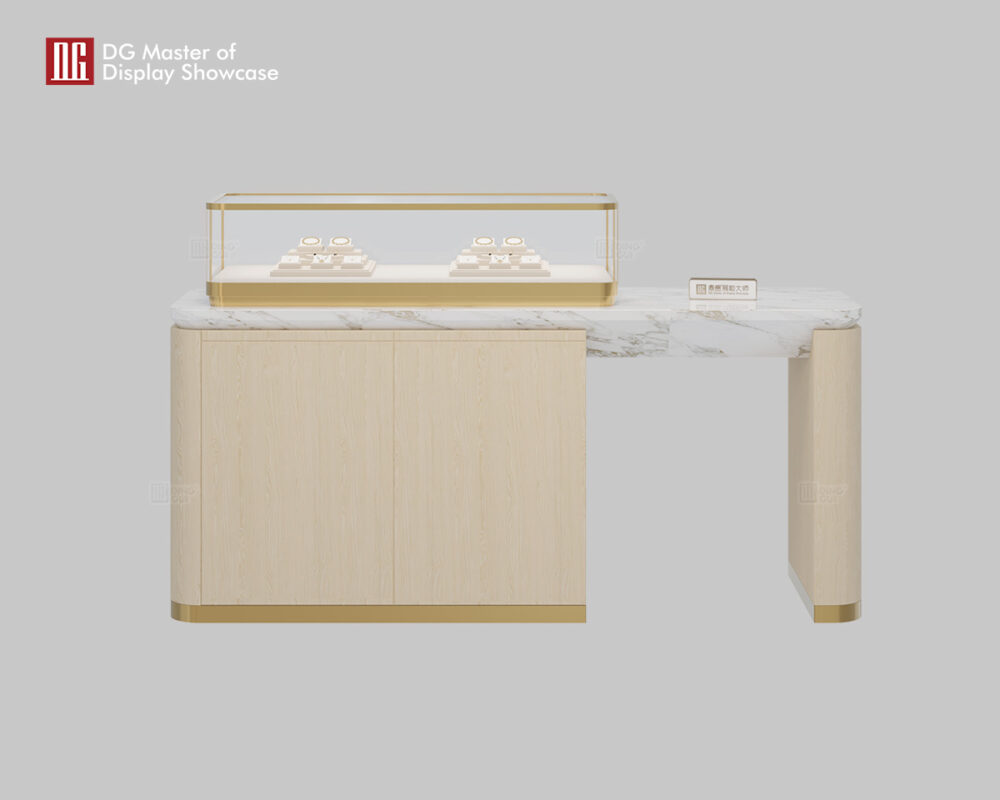
Luxury Jewelry Store Design Is About the Whole Retail Relationship
Luxury jewelry store design is not only about display cases. The strongest retail spaces connect counters, lighting, customer flow, service zones, and brand identity.
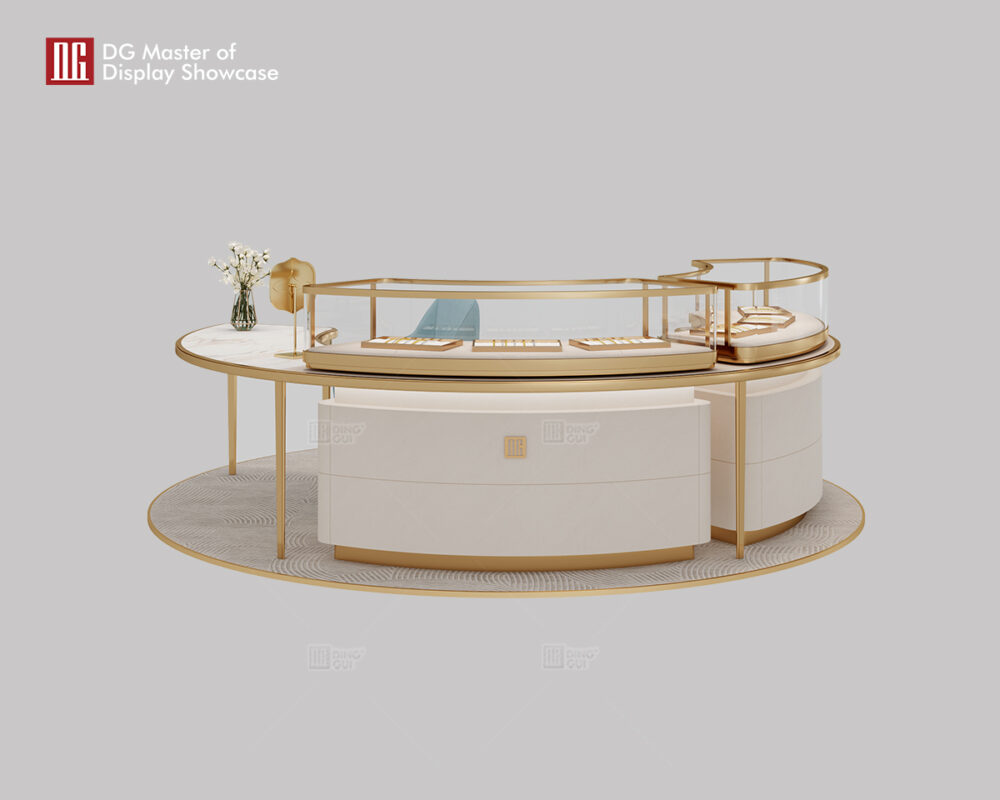
How Structure, Proportion, and Detail Create a Luxury Watch Showcase
A luxury watch showcase depends on proportion, viewing comfort, lighting, and precise detailing. Here is how retail brands can create a stronger watch presentation.
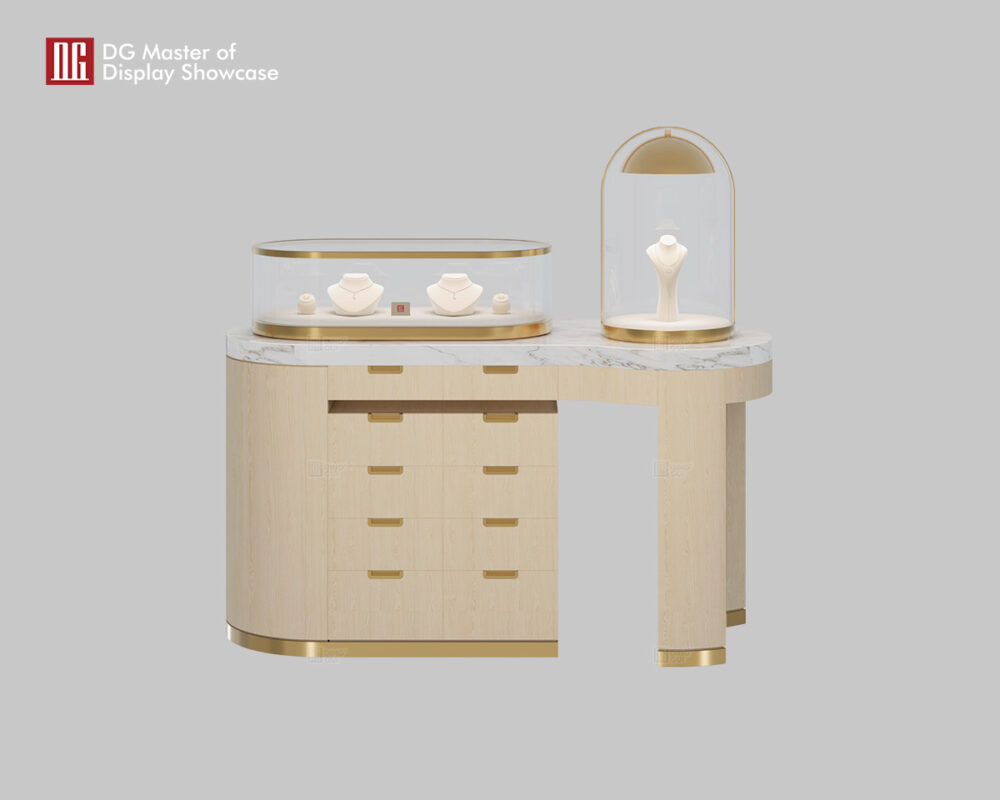
Why Curved Glass Jewelry Showcases Signal Premium Manufacturing Quality
Curved glass jewelry showcases require precise engineering, refined detailing, and careful lighting design. Learn why they are often used in premium retail interiors.